The Double Trauma: Displacement and Sexual Exploitation in Camps
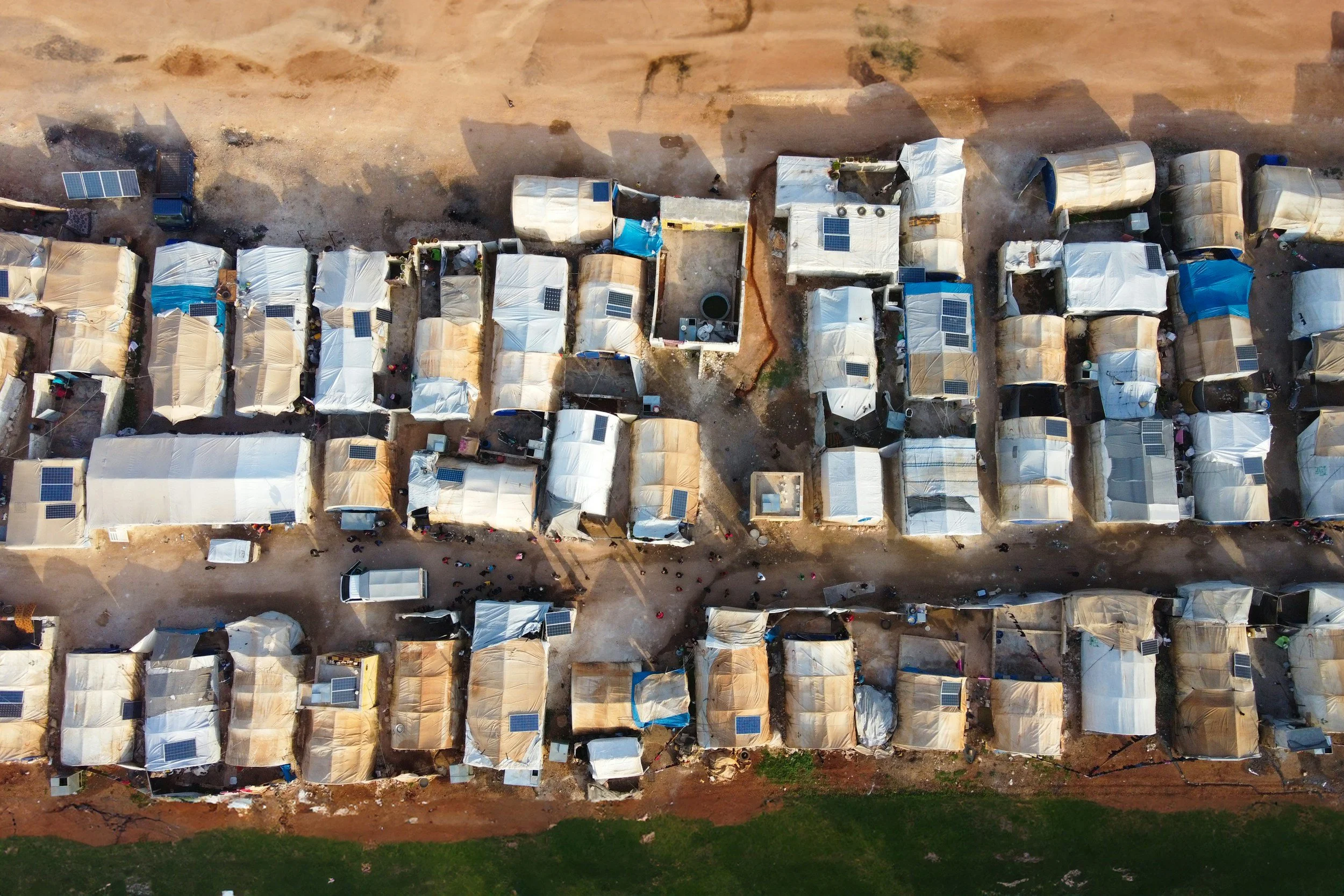
When we think of a refugee camp, many people imagine safety after danger. A place where families can finally rest, where children can sleep without shelling, where food and medicine are within reach.
For far too many women and girls, that is not the reality. They flee war, persecution, or disaster only to find that the “place of safety” brings a second trauma: sexual exploitation, abuse, and daily fear.
This is the double trauma of displacement.
A global crisis behind the fences
The numbers alone tell us how serious this is.
By the end of 2023, an estimated 117.3 million people worldwide were forcibly displaced by conflict, violence, and human rights violations. Women and girls make up roughly half of this population.
We also know that sexual and gender-based violence is widespread in these settings:
One organisation working with women in conflict-affected contexts estimates that around 1 in 5 women refugees or internally displaced women experience sexual violence.
A 2024 study focusing on African displacement settings found that almost half of refugee and internally displaced women surveyed were survivors of gender-based violence.
UNHCR has warned recently of a “dramatic scale” of violence against displaced women and girls, with reports of rape, abduction, and torture among those forced to flee.
These are not isolated incidents. They form a pattern that repeats from one crisis to the next.
Camps are meant to be safe. Why aren’t they?
Refugee and displacement camps are created to save lives. But the way they are designed, managed, and funded often leaves women and girls exposed to harm.
Several recurring problems appear in study after study.
Layout and basic infrastructure
In many camps, latrines, bathing areas, and water points are far from shelters, badly lit, or shared by large numbers of people. Women and girls report being harassed or attacked when they walk alone, especially at night.
A review of camp settings found that poor lighting around WASH facilities (water, sanitation and hygiene) significantly increases the risk of sexual assault, and recommends integrated approaches to lighting, safe pathways, and security patrols.
In one well-documented case from Greece, women and girls in overcrowded island camps told Human Rights Watch that they avoided toilets and showers altogether after dark because of fear. Some said they waited all night to relieve themselves rather than risk walking to the facilities.
Overcrowding and lack of privacy
When thousands of people share tents or containers, separated only by thin walls or tarpaulins, privacy almost disappears. This creates conditions where harassment, assault, and coercion can flourish, and where survivors have no safe space to recover.
Research on “gender and security in refugee camps” highlights how this structural insecurity translates into vulnerability to sexual violence, trafficking, and exploitation within the camp environment itself.
Power imbalances and transactional sex
Displaced women often have very little control over food, cash, documentation, or relocation procedures. Those with some power inside the camp – guards, local leaders, contractors, even aid workers – can abuse that power.
UN and NGO reports describe multiple forms of sexual and gender-based violence in displacement, including rape, forced prostitution, sex trafficking, and survival sex in exchange for food, safe passage, or basic goods.
This is not always reported as “rape” in official statistics, but it is exploitation all the same.
Violence inside the home
Gender-based violence in camps is not limited to strangers. Studies show that displacement itself increases women’s risk of intimate partner violence, as economic pressure, trauma, and cramped conditions all intensify stress.
So a woman may escape militia attacks in her village only to face beatings or marital rape inside a tent.
Gaps in services and information
Even where services exist, they are not always accessible. UNHCR’s Age, Gender and Diversity report found that in a sample of 65 countries, only 61 percent of refugees and asylum-seekers knew how to access gender-based violence-related services.
Many survivors do not report at all, because they fear stigma, retaliation, or being disbelieved – or because the perpetrator is linked to the authorities who control their status or rations.
The particular risk to girls and young women
Adolescent girls in camps face a difficult mix of risks: early and forced marriage, sexual assault, school drop-out, and exploitation.
Rohingya refugee data, for example, show crisis-affected adolescent girls at increased risk of sexual violence and child marriage. Similar patterns have been identified in camps and informal settlements from the Sahel to the Middle East.
The result is a form of “life course” harm: a girl loses her education, her bodily autonomy, and often her chance to choose her own future.
This is a Women, Peace and Security issue
As someone who has worked for many years on the Women, Peace and Security agenda, I see this as a direct test of whether we take our commitments seriously.
Security Council Resolution 1325 and its successor resolutions are not only about who sits at a peace table. They are also about protection, participation, and relief and recovery for women and girls in conflict-affected settings, including camps.
If we accept that camps are now a normal part of the humanitarian landscape, then we must also accept that they are central to the Women, Peace and Security agenda. Safety in camps is not a secondary issue. It is a core peace and security issue.
What needs to change
The good news is that we are not starting from zero. There are decades of guidelines and lessons from the field. The problem is not knowledge; it is implementation and political will.
Here are some of the changes that are consistently recommended by practitioners and researchers:
Design camps with women’s safety in mind from day one
Place shelters, latrines, bathing areas, and water points in well-lit, central locations.
Involve women in mapping “hot spots” where they feel unsafe and adjust layouts accordingly.
Put women at the decision-making table inside camps
Ensure women’s committees have real authority over distribution systems, complaint mechanisms, and protection strategies.
Research on camp governance shows that when women have a voice in these processes, policies are more responsive to risks they actually face.
Strengthen prevention and response services for GBV
Implement the Inter-Agency Standing Committee’s GBV guidelines in all humanitarian responses, not just on paper but with dedicated staff, safe spaces, and confidential reporting.
Fund specialised organisations, including women-led and refugee-led groups, that understand the context and can build trust with survivors.
Address the basic drivers of exploitation
Reduce the need for “survival sex” by providing adequate food, cash assistance, and livelihood opportunities for women and girls.
Ensure that those who control access to services – whether they are state officials, private contractors, or humanitarian staff – are properly vetted, trained, and held accountable for abuse.
Collect better data, without doing harm
Support safe, ethical data collection on gender-based violence, so that we understand scale and patterns, but never at the expense of survivor safety.
Link camp protection to wider justice efforts
Where possible, integrate camp-based reporting into national justice systems or international accountability mechanisms, so that sexual exploitation and abuse does not disappear into a vacuum.
A test of our integrity
When we speak about refugees and displaced people, we often use words like “protection” and “safe haven”. Those words must mean something.
If a woman escapes bombing only to be coerced into sex for food, or assaulted on the way to a latrine, we have failed her twice. Once in the conflict that drove her from her home. And again in the place that was meant to protect her.
The double trauma of displacement and sexual exploitation is not inevitable. It is the outcome of choices about funding, priorities, and who sits at the table when decisions are made.
We know enough to do better. The question now is whether we will.